
Helping Young Children Develop Confidence & Social Skills
Expert Guide by Bright Bingo Child Development Specialists • 5 min read
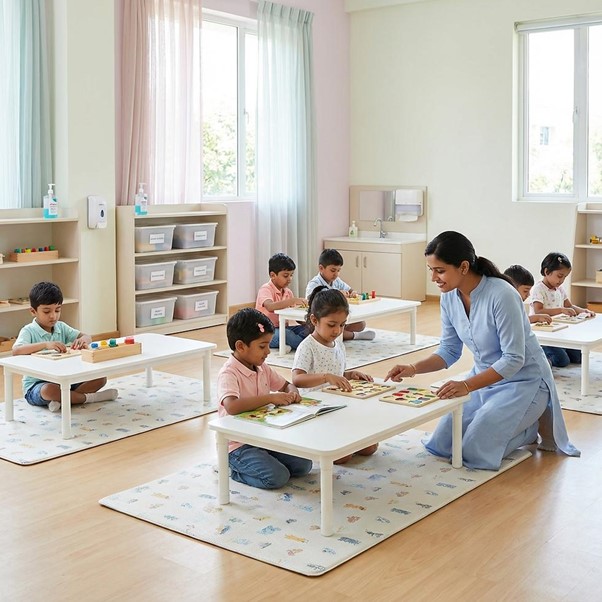
Before young children grasp academic literacy or numeracy, their social and emotional competencies dictate how comfortably they navigate early learning environments. The capacity to share, empathize with a sad classmate, articulate personal feelings, and gracefully take turns is not innate—it is cultivated through patient modeling.
1. Understanding Parallel Play vs. Cooperative Play
Toddlers typically begin with parallel play—playing alongside peers without direct collaboration. Expecting a two-year-old to share immediately often leads to frustration. In our centre, educators introduce gentle cooperative challenges gradually, such as co-building a large train track or passing a beanbag in a circle. Discover our child development pillars.
2. Giving Names to Big Emotions
Tantrums and outbursts frequently arise from frustration when children lack the vocabulary to explain what they are feeling. When an educator remarks, "I can see you felt sad when the tower fell, let's take three deep breaths together," children learn emotional self-regulation and develop empathy for others.
3. The Magic of Daily Circle Time
Circle time provides a supportive ritual where every child's voice matters. Children learn to wait patiently while their friend shares, practice making kind eye contact, and celebrate collective achievements. Learn more about our early learning preschool environment.
4. Consistency Between Home and Centre
When parents and educators adopt similar verbal encouragement techniques, children experience clarity and security. Read our parent partnership philosophy to see how we maintain close alignment with families.
Support Your Child's Social Journey
Join a caring early learning community in Abu Dhabi where every child's personality is respected and celebrated.